
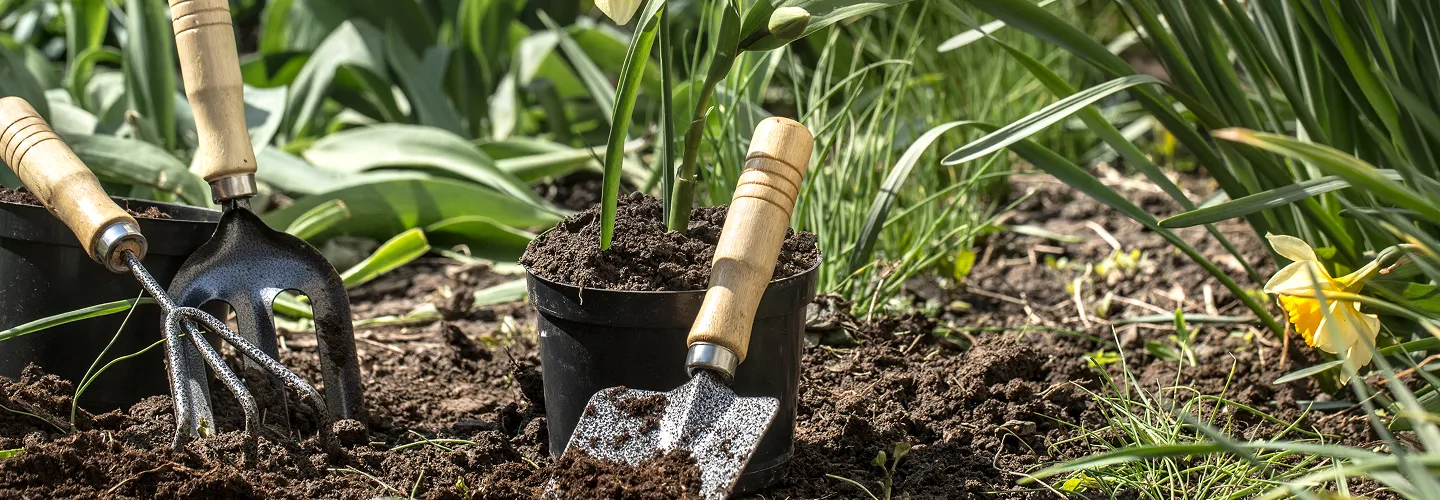
Crowley Plant Removal Services
Choose our expert plant removal services for hassle-free, eco-friendly solutions that restore your landscape’s beauty and protect your property from unwanted growth.
Get a Free QuoteOur Crowley Landscaping & Yard Care Services
When to Schedule Plant Removal in Crowley, Texas – Seasonal Guide
In Crowley, Texas, timing your plant removal is crucial for both the health of your landscape and the efficiency of the process. The best periods for plant removal typically fall between late winter and early spring, just before new growth begins. This window allows for easier root extraction and minimizes disruption to surrounding vegetation. Crowley’s climate, characterized by hot summers, mild winters, and variable rainfall, means that scheduling around the last frost date—usually in early March—is ideal. Neighborhoods like Deer Creek Estates and areas near Bicentennial Park often experience microclimates, so it’s important to consider local shade coverage and soil moisture when planning.
Environmental factors such as drought risk, high humidity, and the region’s clay-heavy soils can impact both the timing and method of removal. For example, after periods of heavy rain, soil in areas like Creekside or near the Crowley Recreation Center becomes more pliable, making root extraction less labor-intensive. Conversely, during the peak of summer, high temperatures and drought conditions can stress remaining plants, so removal is best avoided unless necessary.
Local Factors to Consider for Plant Removal in Crowley
- Tree density and proximity to structures
- Terrain slope and accessibility
- Seasonal precipitation patterns
- Municipal restrictions or permit requirements
- Soil type (clay, loam, or sandy)
- Shade coverage from mature trees
- Recent weather events (frost, storms, drought)
By considering these local factors, you can ensure your plant removal project is both effective and environmentally responsible.
Benefits of Plant Removal in Crowley

Improved Curb Appeal
Healthier Landscape
Pest Prevention
Increased Property Value
Efficient Land Use
Professional and Safe Service
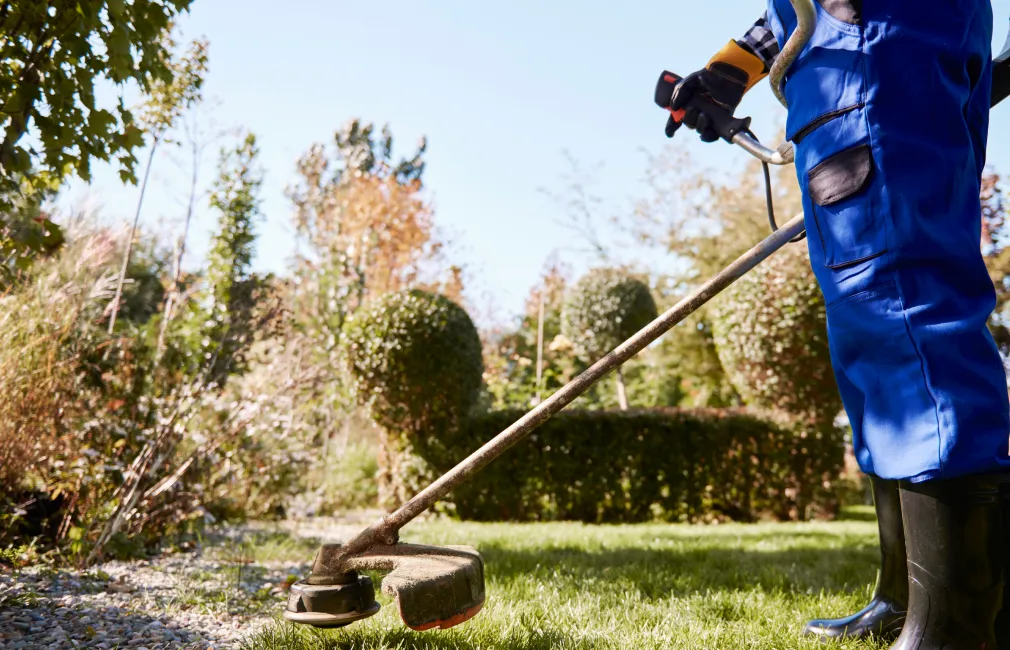
Crowley Plant Removal Types

Tree Removal
-
Shrub Removal
-
Stump Grinding
-
Invasive Species Removal
-
Root System Extraction
-
Hedge Clearing
-
Overgrowth Management
Our Plant Removal Process
Site Evaluation
Preparation and Safety Measures
Plant Extraction
Debris Removal
Site Restoration
Why Choose Crowley Landscape Services
-
Crowley Homeowners Trust Us
-
Expert Lawn Maintenance
-
Reliable Scheduling
-
Competitive Pricing
-
Professional Team
-
Satisfaction Guarantee
-
Personalized Service
Plant Removal Ordinances and Permit Requirements in Crowley
Plant removal activities in Crowley are governed by specific municipal ordinances to ensure public safety, environmental protection, and neighborhood standards. Removal of trees with a diameter at breast height (DBH) greater than 6 inches or any vegetation within 50 feet of a designated wetland requires a permit from the city. Application fees typically range from $25 to $75, with a standard review period of 5-10 business days. Equipment operation is permitted during the following hours:
- Monday-Friday: 7:00 AM - 7:00 PM
- Saturday: 8:00 AM - 6:00 PM
- Sunday and holidays: Prohibited
Permit applications and ordinance details are managed by the city’s code enforcement and community development offices.
Crowley Code Enforcement Department
201 E. Main Street, Crowley, TX 76036
Phone: (817) 297-2201
Official Website: Crowley Code Enforcement Department
Crowley Community Development Department
201 E. Main Street, Crowley, TX 76036
Phone: (817) 297-2201
Official Website: Crowley Community Development Department
Soil Series and Site Conditions Affecting Plant Removal in Crowley
Crowley’s landscape is dominated by Houston Black clay and Burleson clay soils, both classified as Vertisols with high shrink-swell capacity and poor drainage. These soils typically have a pH range of 7.5-8.2, which can impact root removal and site restoration. When removing plants, it is essential to:
- Assess soil compaction, especially in developed neighborhoods
- Plan for deep root systems in clay soils (roots may extend 18-36 inches)
- Incorporate 2-3 inches of compost tilled to a 6-inch depth for soil rehabilitation
- Conduct a soil test through Texas A&M AgriLife Extension (typical cost: $15-25)
For detailed soil mapping and site-specific recommendations, consult the USDA Web Soil Survey.
Stormwater Compliance and Environmental Protections for Crowley Plant Removal
Plant removal in Crowley must comply with local and federal stormwater regulations to prevent sediment runoff and protect water quality. The city participates in the EPA’s MS4 program under the Clean Water Act, prohibiting the disposal of plant debris or soil in storm drains. Key requirements include:
- Maintain a 25-foot no-disturbance buffer from wetlands and streams
- Use biodegradable bags or 32-gallon bins for debris collection
- Schedule removal activities outside of heavy rain events (monitor via National Weather Service Fort Worth Office)
The city’s stormwater management program provides guidance on compliance and best practices.
Crowley Stormwater Management Program
201 E. Main Street, Crowley, TX 76036
Phone: (817) 297-2201
Official Website: Crowley Stormwater Management Program
Texas Commission on Environmental Quality
12100 Park 35 Circle, Austin, TX 78753
Phone: (512) 239-1000
Official Website: Texas Commission on Environmental Quality
Municipal Debris Collection and Disposal Procedures in Crowley
Proper disposal of plant material is required to maintain compliance with city ordinances and prevent environmental hazards. Crowley offers weekly curbside yard waste collection every Thursday from April through November. Accepted materials include leaves, grass clippings, and brush under 4 feet in length. Residents must use biodegradable bags or reusable bins (32-gallon maximum). Prohibited items include:
- Plastic bags
- Branches over 4 inches in diameter
- Soil or rocks
Improper disposal may result in code violations and fines. For large-scale plant removal, coordinate with the Department of Public Works for special pickup or drop-off options.
Crowley Public Works Department
201 E. Main Street, Crowley, TX 76036
Phone: (817) 297-2201
Official Website: Crowley Public Works Department
Safety Standards and Equipment Protocols for Plant Removal in Crowley
All plant removal operations in Crowley must adhere to municipal safety standards and equipment protocols. Operators are required to:
- Wear ANSI Z87.1 rated safety glasses
- Use hearing protection for equipment exceeding 85 dB
- Wear steel-toed boots and cut-resistant gloves
- Maintain a 15-foot clearance from overhead power lines
- Use commercial-grade equipment with functioning mufflers
Equipment operation is restricted to permitted hours to comply with city noise ordinances. For work near public roads or parks, high-visibility vests and traffic control measures are mandatory. The city’s Parks and Recreation Department provides additional safety guidance for work in public spaces.
Crowley Parks and Recreation Department
405 S. Oak Street, Crowley, TX 76036
Phone: (817) 297-2201
Official Website: Crowley Parks and Recreation Department
What Neighborhoods Do We Serve Throughout Crowley, TX?
- Deer Creek Estates: Characterized by mature trees and expansive lots, this area often requires careful root removal and compliance with HOA landscaping standards.
- Lasater Ranch: Newer development with compacted soils and smaller lot sizes, presenting challenges for equipment access and debris staging.
- Centennial Place: Features moderate tree density and proximity to city parks, necessitating coordination with municipal debris collection and adherence to buffer requirements near recreational areas.
- Crescent Springs Ranch: Located near drainage channels, this neighborhood requires strict stormwater compliance and careful debris management to prevent runoff.
- Park Meadows: Known for clay-heavy soils and periodic flooding, plant removal here often involves soil amendment and attention to drainage patterns.
- Stone Gate: Includes a mix of established landscaping and newer plantings, with occasional access limitations due to narrow streets and overhead utilities.
- Bridges West: Adjacent to conservation areas, this district requires adherence to buffer zones and special permitting for removal near protected habitats.